Welcome: Henan Sinowin Chemical Industry Co.,Ltd.
Language:
 ∷
∷

∷
 ∷
∷
Hydroxypropyl Methyl Cellulose (HPMC) vs. Hydroxyethyl Cellulose (HEC)
HPMC is a non-ionic cellulose ether, appearing as a white, odorless powder. Its properties vary with the degree of substitution.
Key Applications of HPMC:
1. Construction: Essential water-retention agent and retarder in mortars, improving pumpability and workability. Prevents cracking and acts as a binder in plasters, fillers, and tile adhesives.
2. Ceramics & Coatings: A common ceramic binder. In paints, it serves as a thickener, dispersant, and stabilizer.
3. PVC Production: A primary dispersant in suspension polymerization.
4. Other Uses: Found in plastics (as a release agent), inks, textiles, and personal care.
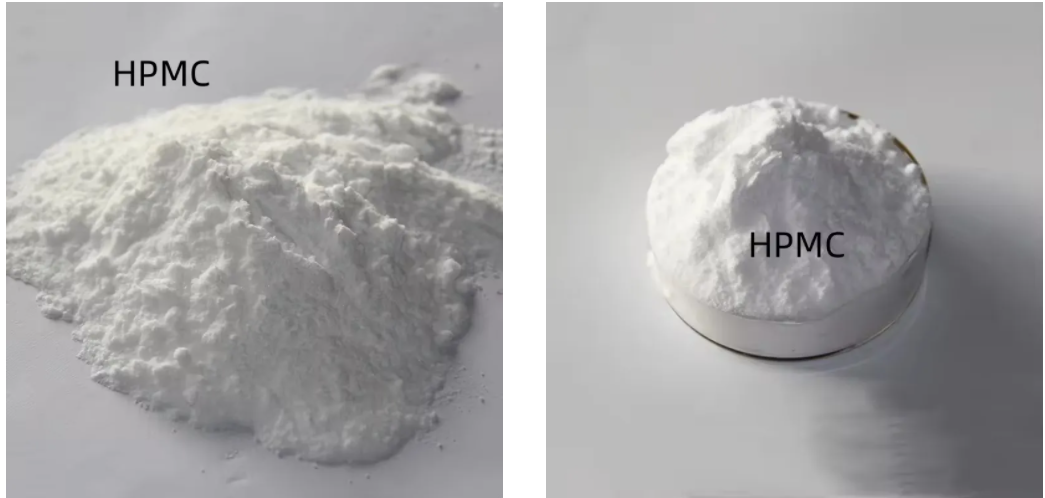
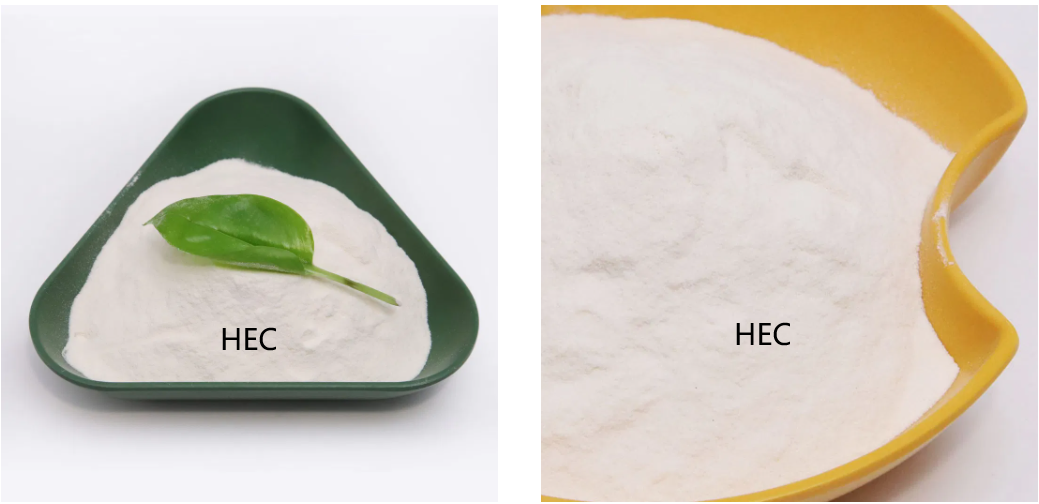
HEC is also a non-ionic cellulose ether, soluble in hot/cold water, forming clear viscous solutions stable across a wide pH range.
Key Properties & Applications of HEC:
It excels as a thickener, binder, dispersant, and film-former. Its notable features include:
1. Thermal Stability: Soluble at high temperatures without precipitation.
2. High Compatibility: Works well with salts, surfactants, and other polymers, making it ideal for high-electrolyte formulations.
3. Superior Water Retention: Holds twice as much water as methyl cellulose.
4. Strong Protective Colloid: While its dispersing power may be less than HPMC's, it offers excellent protective colloid action.
HEC is widely used in:
l Paints & Coatings: Especially in high-quality latex paints and waterborne coatings.
l Personal Care: A key thickener and stabilizer in shampoos, creams, and lotions.
l Pharmaceuticals: Used in gels, ointments, eye drops, and as a matrix for sustained-release tablets.
l Other Industries: Oilfield drilling fluids, adhesives, and as a food stabilizer.
Summary: Both are versatile, water-soluble cellulose ethers. HPMC is often preferred in construction and ceramics for its strong water retention and adhesive properties in mineral-based systems. HEC is favored in synthetic polymer systems like latex paints, personal care, and pharmaceuticals due to its exceptional solution clarity, salt tolerance, and superior protective colloid ability.
Contact: Sophia
whatsapp:
 Sophia
Phone: +86 13283888407
Tel: 086-0371-63360817
Email: info@sinochemi.com
Add: NO.28,Sanquan Road, Zhengzhou, China

 chinasinochemical