欢迎光临~河南赛威化工科技有限公司
语言选择:
 ∷
∷

∷
 ∷
∷
Five Core Reasons for Restricted Urea Exports from China
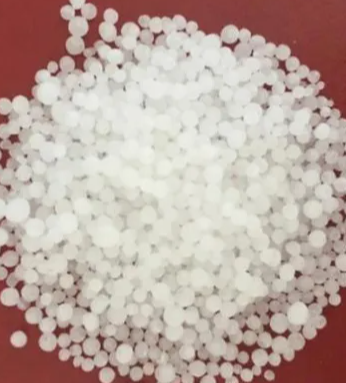
Urea is a strategic agricultural input. The government has long implemented a control model prioritizing domestic agricultural supply while allowing for moderate export quotas. Exports are not prohibited, but their scale is strictly limited.
First, the primary reason: Safeguarding food security and preventing a large outflow of fertilizers from driving up domestic grain prices.Urea is the most widely used nitrogen fertilizer in my country, directly determining grain yields; it is considered "the grain of grains."
If exports were fully liberalized, high international urea prices would siphon off domestic supply. Large quantities of urea would be exported, significantly increasing farmers' planting costs and potentially leading to crop abandonment and reduced fertilizer use, threatening total grain output. Maintaining independent and stable domestic urea prices helps stabilize agricultural input and grain prices.
Second, policy tools: Quota system + seasonal tightening, locking in total exports from the source.
Strictly limited annual export quotas: In 2026, the total annual urea export quota nationwide is only 3.3 million tons, while the total annual domestic production exceeds 70 million tons. Exports account for less than 5%, meaning the vast majority of production capacity must be consumed domestically.
III. Tax Regulation: Eliminating export tax rebates and imposing high tariffs on exports outside the quota reduces the incentive for export arbitrage. This limits the profit margins of large-scale exports by weaker enterprises.
Exports within the quota only enjoy a low tariff of 1%. Once exports exceed the quota, tax costs will eat up all profits, thus economically restricting excessive exports.
IV. Balancing Domestic Supply and Demand During Peak and Off-Peak Seasons, Acting as a Market "Reservoir": During peak fertilizer seasons (spring planting and autumn harvest): Strictly control exports, prioritize ensuring basic agricultural needs, and release national fertilizer reserves to stabilize prices and ensure supply.
During the off-peak agricultural seasons (summer and winter): Appropriately reduce quotas, allowing small-scale exports to digest excess factory inventory, balancing agricultural security and the stability of the chemical industry.
V. Energy and Resource Security: Urea is highly dependent on coal and natural gas. The vast majority of urea in my country is produced using coal-based processes, and coal is a strategic basic energy source.
 Sophia
 chinasinochemical