欢迎光临~河南赛威化工科技有限公司
语言选择:
 ∷
∷

∷
 ∷
∷
HPMC as a Dispersant in Building Finishing
HPMC, as a dispersant, thickener, and binder in building finishing, is primarily used in the molding of cement mortar and gypsum products. It is used in cement mortar to increase its adhesion, reduce flocculation, improve viscosity and shrinkage, and maintain moisture retention. It reduces moisture loss from concrete surfaces, increases strength, and prevents cracking and weathering caused by water-soluble salts. HPMC has thixotropic properties, allowing for the preparation of low-flow, one-time thick gypsum coatings on vertical walls. HPMC improves adhesion and structural properties, making it suitable for preparing easily flowing spray mortars for thin-layer coatings.
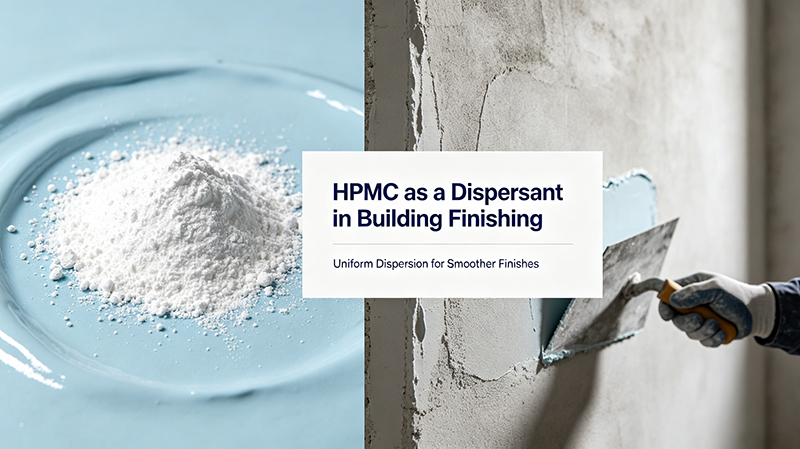
The amount of HPMC used in building materials is very small, only 0.1% to 1%, but its effects are significant. It can be used as a plasticizer, thickener, water-retaining agent, air-entraining agent, and retarder in coatings, plaster, mortars, etc., and in cement products. This agent is used to increase processability, water retention, or adhesion to substrates. Furthermore, it needs to be environmentally friendly. Dry-mix mortar avoids the performance instability, poor construction environment, and low flow efficiency caused by on-site mixing and environmental pollution. Tile adhesives and interior/exterior wall putties have previously used more 107 types of adhesives. From an environmental perspective, using cellulose ethers, such as HEC and HPMC, is more ideal.
Although cement has good bonding properties, the bonding performance of cement paste and cement mortar differs significantly due to variations in the properties and conditions of the bonding layer and bonding surface during construction, especially in terms of water absorption. A large bonding surface can lead to dehydration of the bonding surface, significantly reducing the plasticity of the cement mortar, decreasing adhesion, and drastically reducing bond strength. In the past, gypsum or 107 glue was added to cement mortar, but this still has some drawbacks, such as lack of measurement, toxicity, and complex construction processes. Cellulose ethers have a thickening effect in water and weak alkalis.
The effects of adding cellulose ethers include:
1. Improving the initial and final setting time of cement;
2. Increasing the limit of cement mortar to overcome pressure;
3. Improving the water retention capacity of cement and gypsum;
4. Compacting and resisting cement mortar.
5. The shear strength is reduced; the bonding properties of the mortar are improved.
 Sophia
 chinasinochemical