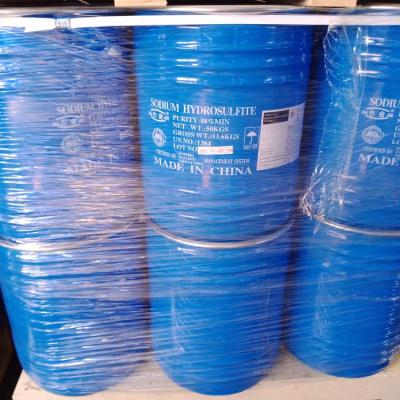
Advantages & Disadvantages: Zinc Dust Process VS Sodium Formate Process
Zinc Dust Process
Advantages
1,Higher product purity, normally ≥98%, and better storage stability. It performs steadily in bleaching and gives good whiteness. Preferred by long-term customers for high-grade textile and silk bleaching.
2,Mature reaction system with fewer impurities, easier process control.
3,Less methanol consumption and lower solvent recovery burden.
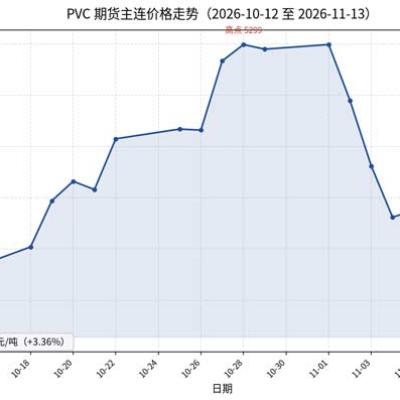
In October 2026, the U.S.-Iran conflict pushed up oil and ethylene prices, leading to a sharp rise in PVC prices. However, in November, as calcium carbide and ethylene prices retreated, PVC prices also trended downward.
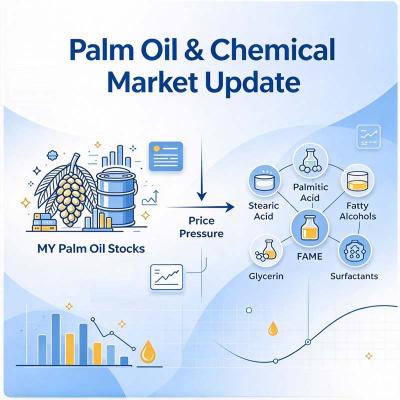
According to survey data, Palm Oil inventories in Malaysia are projected to climb to 3.75 million tonnes—a new all-time high—representing a 6.8% increase from the previous record of 3.51 million tonnes at the end of September. This growth is primarily driven by monthly production, which is also expected to reach a new historical peak. As a major global producer of palm oil, Malaysia’s record-high
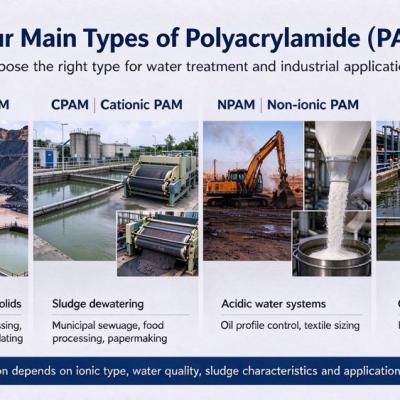
Production Processes and Classification of Polyacrylamide (PAM)
Advantages of PAM: Low cost, simple equipment, high safety, and the ability to achieve very high molecular weights; suitable for large-scale production of 25kg-bagged dry powder.
Why does snow melt more easily after spreading calcium chloride ?
Calcium chloride can melt snow. After dissolving it into the snow, the freezing point of water is significantly lowered. After using calcium chloride , the freezing point is depressed, allowing snow to melt even at temperatures between -5°C and -20°C. While pure water freezes at 0°C, a calcium chloride solution has a much lower freezing point—often reaching as low as -20°C—which means snow can tu
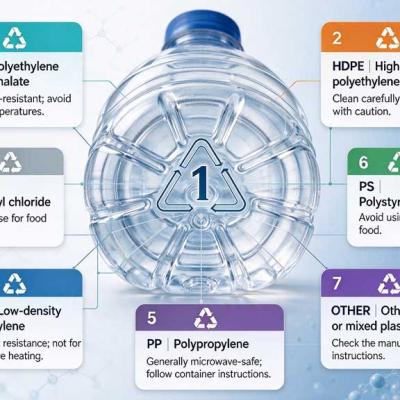
We frequently consume beverages, but have you ever taken a look at the bottle bottom? You might notice a number in one triangular recycling. Do you know what means of these?
First, the "triangle" is a plastic recycling symbol.
Second, the numbers 1-7 inside the triangle indicate the specific type of plastic material used to manufacture these bottles.
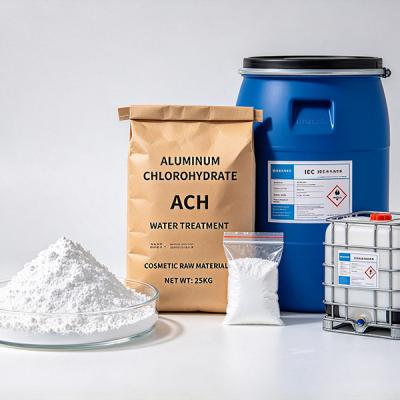
Aluminum Chlorohydrate (ACH) is a high-basicity inorganic polymeric aluminum coagulant. It is available as colorless & transparent liquid or white hygroscopic powder. Basicity: 75~85%. Liquid grade: Al₂O₃ ≥23%; Solid grade: Al₂O₃ ≥46%. ACH features high content of polynuclear aluminum ions, low residual aluminum in treated water, low sludge yield, good coagulation performance even under low water
Both EDTA-2Na and EDTA-4Na are sodium salt derivatives of EDTA and possess metal ion chelating ability, but they are significantly different in their functional properties, applicable pH range, solubility, and main application areas.
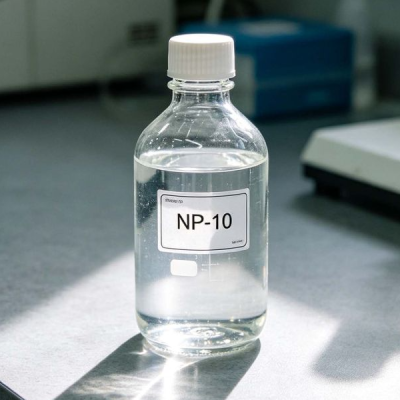
Nonylphenol Ethoxylate (NPE / NP series) is non ionic surfactant, produced by ethoxylation of nonylphenol. The number after NP stands for EO (ethylene oxide) mole count. Higher EO value brings better water solubility.
 ∷




 Sophia
 chinasinochemical